Emergency dental treatment, please WhatsApp +852 6628 8780 Or contact our clinics



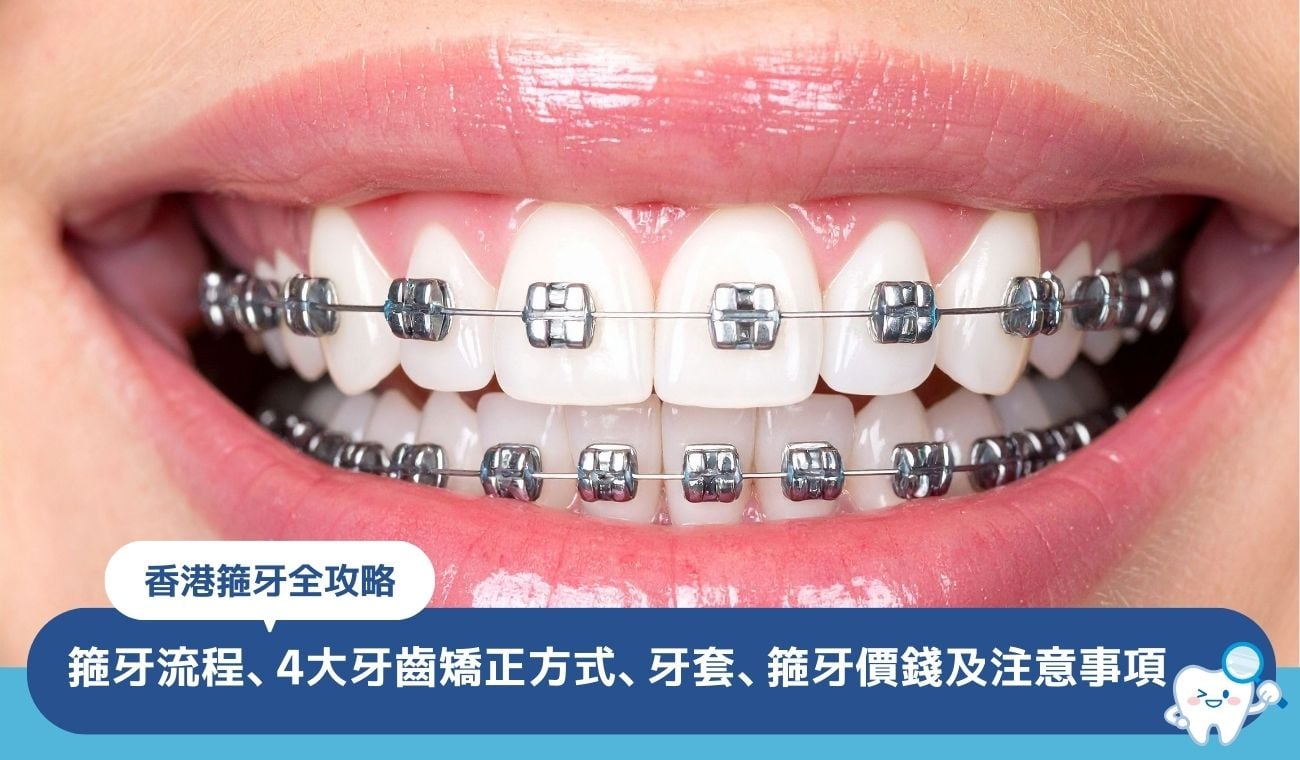
Braces can improve teeth alignment and bite issues, common methods include traditional braces and invisible aligners, with a treatment period of about 1.5–2.5 years, and costs vary depending on the method and complexity.
Key Summary
- Suitable candidates for braces: those with crowded teeth, large gaps, bite or speech abnormalities
- Orthodontic treatment is considered a golden period for children, but adults can also undergo teeth correction
- Orthodontic methods include traditional metal, ceramic, lingual braces, and invisible aligners
- The average treatment duration is 1.5-2.5 years
What are braces (orthodontics)?
Braces are a method that uses braces or aligners to guide misaligned orbiteabnormal teeth to the correct position.
Principle of braces
Teeth are not "firmly" fixed in the bone, but are suspended in the alveolar bone by periodontal ligaments.
Braces apply continuous and gentle pressure on the teeth through the aligners; when the teeth are stressed, the bone in front is absorbed by the body, while the bone behind regenerates and repairs. Through this physiological bone remodeling process, the teeth gradually move to the ideal position.
What are the benefits of braces (Cool Teeth)?
- Enhance aesthetic confidence: With aligned teeth, smiles appear more natural and attractive, significantly improving overall appearance and self-confidence.
- Improve bite function: Address issues like overbite, underbite, and deep bite, making chewing more efficient and reducing gastrointestinal burden.
- Maintain oral health: Straight teeth are easier to clean, significantly reducing the risk of cavities and periodontal disease.
- More even distribution of oral forces: Aligned teeth distribute forces more evenly, preventing excessive wear on individual teeth.
What situations require braces?
Malocclusion
Malocclusion is the most common situation that requires braces, and different occlusal issues may affect not only appearance but also chewing function:
- Protruding teeth (buck teeth): The upper teeth are significantly protruding, making it difficult for the mouth to close naturally.
- Crossbite: The lower teeth cover the upper teeth, affecting the side profile.
- Open bite: When biting, the upper and lower front teeth cannot touch, leaving a gap in the middle, often leading to speech issues or difficulty biting through food.
- Deep bite: The upper teeth excessively cover the lower teeth (more than 1/3), which may cause wear on the lower teeth or harm the upper gum tissue.
- Mispronunciation: Certain sounds are not pronounced clearly (such as the S sound or Z sound).
- Chewing difficulties: Eating is laborious, and it is difficult to break down food.
- Temporomandibular joint discomfort: Long-term malocclusion may lead to clicking sounds when opening the mouth, jaw pain, or even migraines.
Irregular tooth alignment
Irregular tooth alignment is also a common situation that requires orthodontic treatment:
- Crowded teeth:JawboneInsufficient space leads to overlapping and crooked teeth, commonly known as "crooked teeth" or "tiger teeth."
- Large gaps between teeth: There are obvious spaces between the teeth, making it easy for food debris to get stuck, and speaking may also cause spitting.
- Prone to cavities/gum disease: The chaotic arrangement leads to many cleaning dead spots, resulting in repeated inflammation.
Is there an age limit for braces?
Many people think braces are only suitable for children, but in factOrthodonticsthere is no age limit; as long as the periodontal health is good, braces can be applied at any age.
Children's orthodontics
The period of childhood and adolescence (about 7-12 years old) is usually regarded as the "golden period" for orthodontics.
At this time, the jawbone development has not yet stabilized, the speed of tooth movement is faster, and adaptability is strong, which can provide better guidance for skeletal issues (such as severe overbite or open bite).
延伸閱讀:小朋友幾歲開始箍牙最好?兒童箍牙時機、種類與費用參考
Adult braces
Adults may want braces not only for aesthetic reasons but also to restore chewing function, especially for severe deep bites, open bites, or misaligned teeth, which can also help prevent periodontal disease and cavities.
Although adults' bones have already developed, and the speed of tooth movement is relatively slower, as long as your dental foundation (alveolar bone and gums) is healthy, the orthodontic effect is still significant.
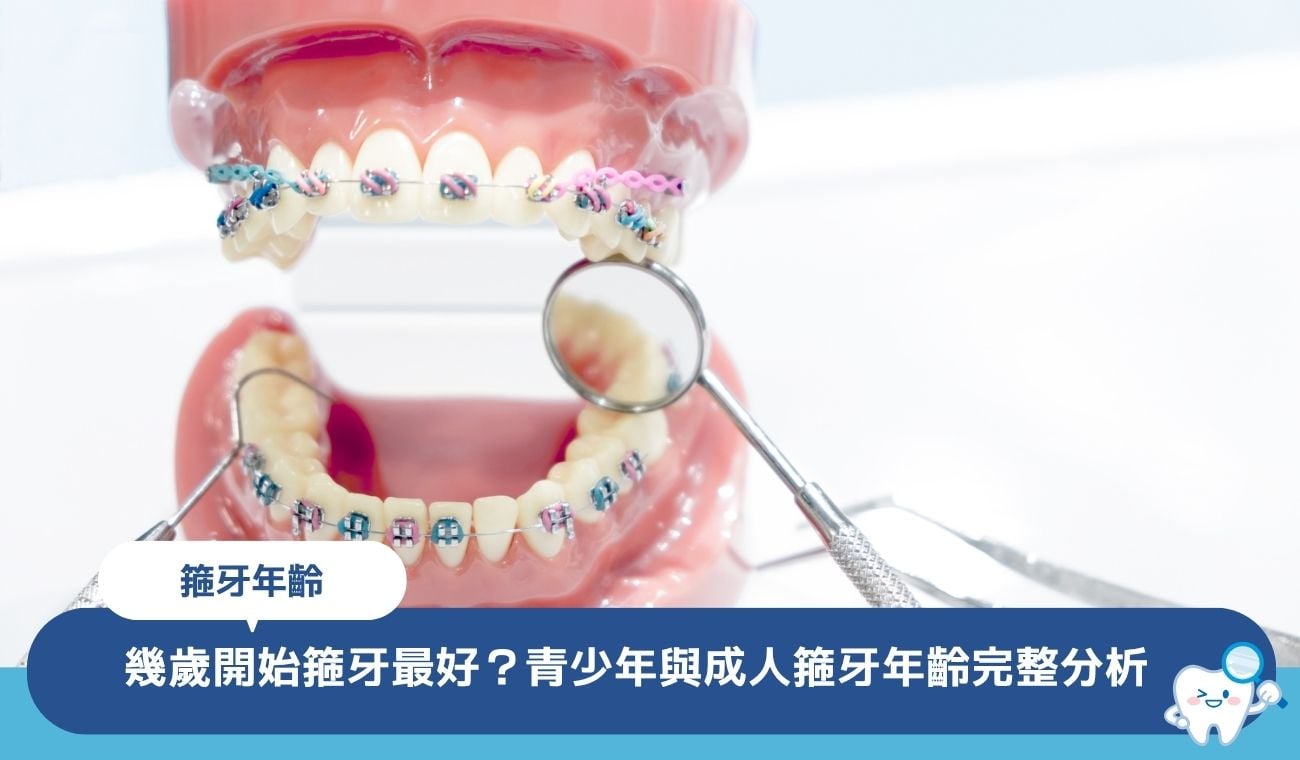
延伸閱讀:幾歲開始箍牙最好?兒童、青少年與成人箍牙年齡時機分析
Common orthodontic methods and types of braces in Hong Kong
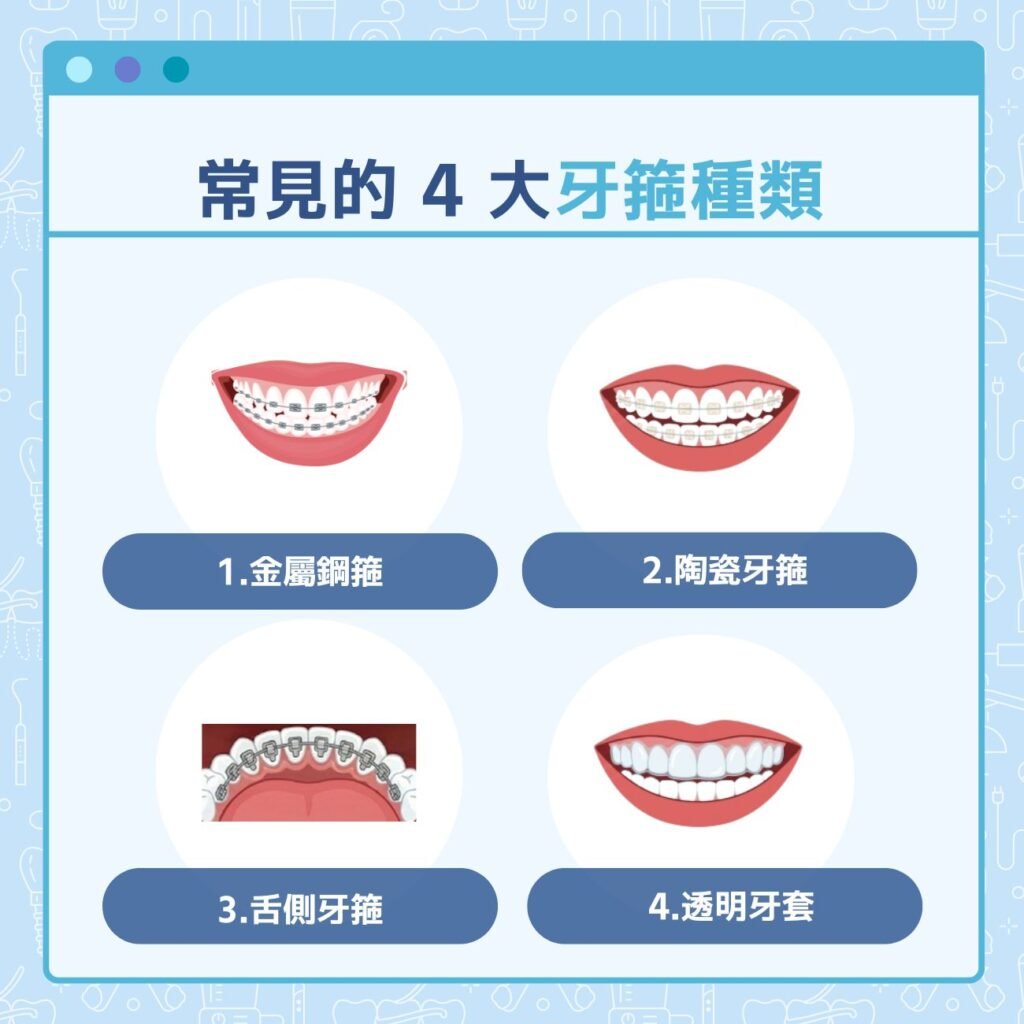
There are two common orthodontic methods in Hong Kong: traditional braces and invisible braces. The applicable situations, prices, treatment effects, and duration of the two methods are quite different, and the complexity of the orthodontic case will also affect the treatment method.
Traditional braces: metal braces (steel braces)/lingual braces/ceramic braces
Traditional braces work by attaching brackets to the surface of the teeth, combined with orthodontic wires to apply continuous pressure, guiding the teeth to slowly move to the ideal position.
Below are also three common main orthodontic appliances, helping you quickly understand their characteristics, applicable situations, and required time:
| Types of braces | Features | Applicable situations | Treatment cycle |
| Metal braces | The longest history, precise force control, and the most affordable price. | Various complex cases, especially severe skeletal occlusion issues. | About 1.5-2 years |
| Ceramic braces | The principle is the same as metal braces, but the brackets are semi-transparent or milky white, making them less noticeable from a distance. | Patients who care about aesthetics but have a limited budget and more complex dental issues. | About 1.5-2 years |
| Lingual braces | The orthodontic device is installed on the inner side of the teeth (lingual), making it completely invisible. | Performing artists or patients who place a high value on privacy. However, it has a greater initial impact on speech pronunciation and tongue comfort, and the cleaning difficulty is also the highest. | Usually more than 2 years |
延伸閱讀:傳統箍牙好不好?一文詳解3大牙箍種類、矯正過程、費用與優缺點分析
Invisible braces: clear aligners
Invisible orthodontics uses transparent braces to apply continuous and gentle pressure on the teeth, guiding them to gradually move to the ideal position.
Each set of aligners is replaced after completing the designated adjustments to achieve precise correction effects. The goal is to discreetly and safely correct teeth without affecting daily life.
| Types of braces | Features | Applicable situations | Treatment cycle |
| Clear aligners | Removable aligners made of medical-grade transparent plastic, nearly invisible in appearance, highly comfortable, and can be removed while eating and brushing teeth. | Mild to moderate alignment issues, as well as patients with high self-discipline (who need to wear them for 20-22 hours a day). | About 1-2 years |
延伸閱讀:【隱形牙套】香港隱形牙套價格、常見品牌、飲食限制與配戴注意事項全指南
Complete orthodontic process: from consultation to removal of braces
Initial consultation and examination
The dentist will first conduct a comprehensive oral examination, such as taking X-rays or performing a 3D oral scan, to assess the alignment, occlusion, and oral health status of your teeth.
Develop a treatment plan
After data analysis, the dentist will explain in detail the current condition of your teeth, the suitable orthodontic treatment plan, estimated treatment time, and costs.
Oral treatment before orthodontics
If there are cavities, periodontal disease, or the need to extract wisdom teeth, the dentist will recommend performing dental treatment first to ensure good oral condition.
Impression
Once the oral environment is ready, the next step is to obtain the most accurate model of your teeth to create a personalized brace.
延伸閱讀:箍牙流程全解析:從諮詢到拆箍 7 大步驟一文看清(附療程時間表)
Fitting the orthodontic device (wearing braces)
Braces will be applied according to the chosen orthodontic method, and you will be taught how to wear the braces and perform daily oral hygiene care.
- Traditional braces: The procedure of bonding brackets and tying wires will be performed.
- Invisible aligners: The doctor will assist you in wearing the first set of aligners and teach you how to put them on and take them off.
Regular check-ups and adjustments
Generally, check-ups are scheduled every 4–8 weeks to ensure the safe and smooth movement of teeth.
- Traditional braces: Adjustments to the wire strength are needed every 4-6 weeks during check-ups.
- Invisible aligners: Usually, new aligners are picked up every 6-8 weeks during check-ups, and progress is checked.
Removal of braces and wearing retainers
When the teeth are aligned to meet the treatment standards, the orthodontic device can be removed.
At this time, it is necessary to start wearing the retainer to help keep the teeth in the ideal position.
Care and maintenance during orthodontic treatment
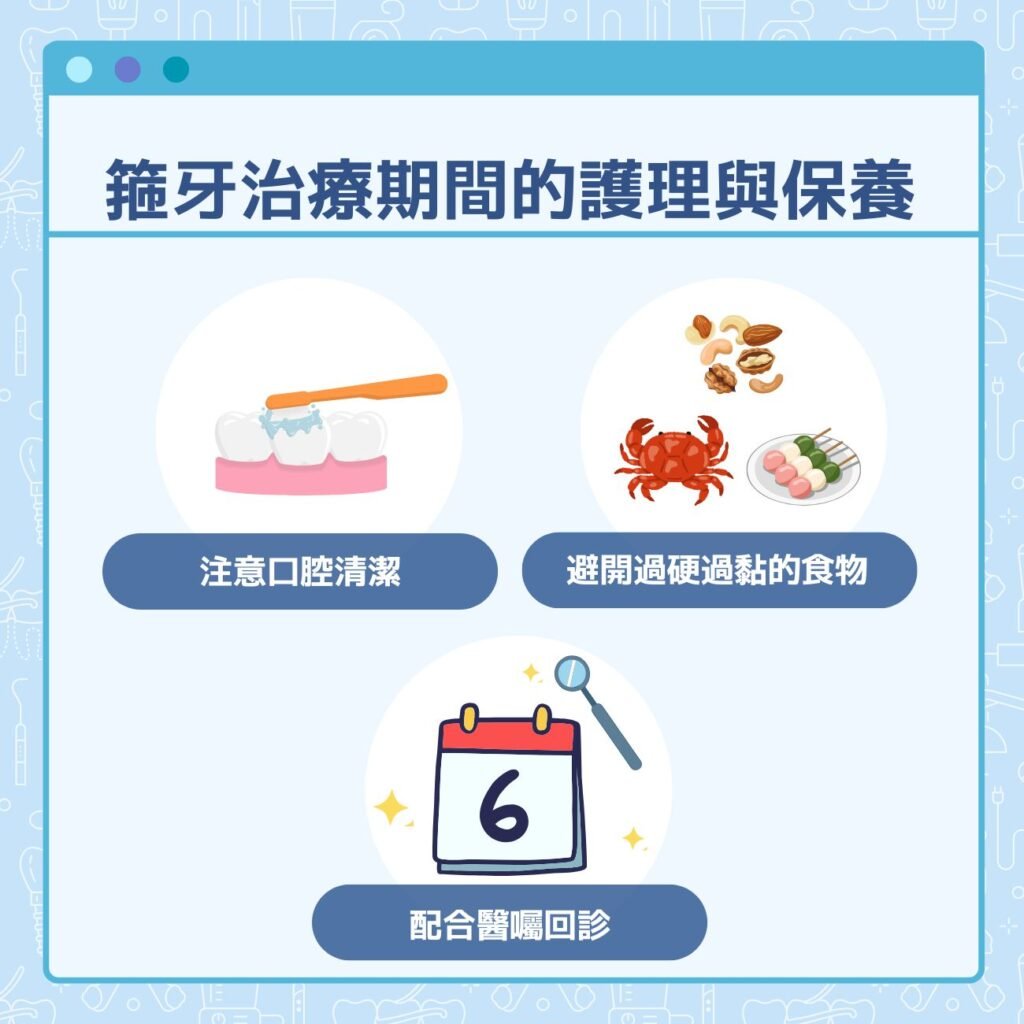
Pay attention to oral hygiene
- Use a soft-bristled toothbrushCarefully brush each tooth and around the braces.
- Use dental floss and interdental brushesThis is the most critical step; be sure to remove debris between the teeth.
- Regularly use mouthwashThis helps kill bacteria and can reduce the likelihood of inflammation.
Pay attention to dietary habits
- AvoidHardFoods (such as nuts, bones, crab shells) to prevent breaking the braces.
- AvoidStickyFoods (such as rice cakes, chewing gum) to avoid food sticking to the braces and being difficult to clean.
- If wearing clear aligners, be sure to remove the aligners before drinkingsugary beverages or coffeeto avoid cavities or staining the aligners.
Follow the doctor's advice for follow-up visits
Be sure to attend follow-up appointments on time. Frequent delays in follow-up can lead to stagnation in treatment progress and may even cause the teeth to move in the wrong direction.
Hong Kong Braces Price Market
The cost of braces can vary depending on the correction method, brand of braces, and the length of the treatment. We have also compiled the 2026 Hong Kong braces price market for your reference, but the actual charges will still depend on the doctor's assessment:
| Correction Method | Average Price (HKD) |
| Metal braces | $25,000 – $50,000+ |
| Ceramic braces | $35,000 – $50,000+ |
| Lingual braces | $50,000 – $80,000+ |
| Clear aligners | $30,000 – $100,000+ (depending on brand and complexity) |
延伸閱讀:香港箍牙價錢幾多?政府箍牙 vs 私家診所完整比較
Frequently Asked Questions
Do you have to extract teeth for braces?
It depends on the degree of tooth crowding, facial proportions, and bite conditions. If the teeth are extremely crowded, it may be necessary to extract teeth to create more space for aligning the teeth.
Do you have to wear retainers for life?
After removing the braces, you need to wear the retainer daily for the first six months, but once stable, you can follow the doctor's instructions to wear it only at night.
Is it too late to correct teeth at 30 years old?
No. As long as there is no severe periodontal disease, the results of adult orthodontics are still very good.
Will teeth correction be very painful?
Usually, within 2-3 days after putting on braces or after adjustments, there will be a noticeable soreness and weakness in the teeth, which are normal symptoms of tooth movement. After about 3-5 days, it will return to normal, and the pain will be almost completely gone.
Will braces change the shape of my face?
It is more noticeable for those improving malocclusion (such as protruding teeth or crossbite), mainly changing the contour of the lower half of the face, visually giving a slight effect of a "sharper" or "smaller" face, but the degree of change varies from person to person.
How long does orthodontic treatment take?
The average time for braces is about 1.5-2.5 years, depending on the complexity.
What are the consequences of not having regular follow-up appointments?
In addition to prolonging treatment time, a long-term unadjusted orthodontic appliance may lose its effectiveness, leading to improper tooth movement, which can cause root damage or gum recession.
How to clean teeth during orthodontic treatment?
You should clean your teeth after every meal; please make good use of a soft-bristled toothbrush, interdental brushes, and dental floss, and you can also use a water flosser to enhance cleaning efficiency. If brushing is inconvenient, it is recommended to rinse your mouth to avoid food residues lingering for a long time.
Conclusion
Orthodontic treatment is a professional procedure that can improve appearance and oral function. As long as you find the right orthodontic method and follow the doctor's instructions, most people can safely and smoothly complete the treatment. If you are considering orthodontics, it is advisable to find a trusted dental clinic for an evaluation, allowing your smile to be more confident and your bite more comfortable!
Disclaimer
This article is for informational purposes only and does not contain any invitation or solicitation. Patients should seek professional diagnosis and treatment for their conditions. For further information or to make an appointment, it is advisable to contact the relevant clinic directly. Please take care in choosing the right dental service and clinic.