Emergency dental treatment, please WhatsApp +852 6628 8780 Or contact our clinics


香港種牙多少錢?為什麼種牙價錢差距這麼大?私家診所收費範圍與4大差價因素解析
香港私家種牙單顆費用一般介乎 HK15,000–35,000,實際收費須視個別口腔狀況,經檢查評估而定。 重點摘要 香港


Avoid hard, sticky and sugary foods during braces treatment. It is recommended that you choose soft meals, cut the food finely and chew it slowly, and clean thoroughly after meals to avoid damaging the braces or causing tooth decay.
During the braces process, there are certain foods that you need to pay special attention to, as they may affect the stability of the braces or make cleaning more difficult. This time, we will compile a list of the types of food that should be avoided:
First of all, it is important to understand that both traditional metal braces and ceramic braces are precision components. If they are subjected to undue impact, they may loosen and deform, affecting the progress of orthodontic treatment, so it is important to pay close attention to your diet during the treatment period.
Hard foods are not only nuts or guava, but also ice, hard candies, ribs and crab. These foods require strong biting force, which can cause the braces to loosen or become deformed, and can also lead to discomfort in the teeth.
Sticky foods such as mochi, maltose, chewing gums and gummy bears can easily stick between braces and teeth, which is not only difficult to clean, but can also lead to tooth decay.
If you are wearing clear ceramic braces or invisible braces, you need to pay special attention to foods that are prone to staining.
For example, curry, ketchup, red wine, coffee, strong tea, etc., the colouring of which is more likely to adhere to the braces or teeth. Although this will not affect the results of orthodontic treatment, it is recommended to avoid taking them in order to keep your teeth white during the treatment.
Some fibre-rich vegetables such as parsley, watercress, cornichons and enoki mushrooms are good for your health, but these fibres can easily get stuck between the braces and the wires during braces.
This does not mean that they should not be eaten at all. It is advisable to chop them up when cooking or choose vegetables with shorter fibres to make them easier to chew and clean.
All high-sugar foods such as cakes, biscuits, candies, soft drinks, fruit juices, etc. are hotbeds for bacteria.
With braces, the surface of the teeth is more prone to build up food residues due to the obstruction of the orthodontic appliance. The risk of tooth decay will be greatly increased if high sugar content is consumed on a regular basis.
In fact, you can eat normally right after braces are put on, but you need to pay more attention to your food choices.
It is normal for your teeth to feel sore and uncomfortable during the first few days of wearing braces, and choosing the right foods is especially important during this adjustment period.
During the first few days of braces application, it is recommended to eat soft or liquid food.
Teeth are more sensitive during this period, and foods that are too hard or require hard chewing may cause discomfort. Milk, cheese, congee, steamed eggs, tofu, etc. can be prepared for easy swallowing and provide sufficient nutrients.
At the beginning of the treatment, it is recommended to choose foods that are soft in texture and easy to chew and swallow:
These soft foods are easy to bite off, easing the burden on your teeth while ensuring you get the nutrients you need.
When choosing meat, it is advisable to replace red meat with white meat initially. Common white meats, such as fish and chicken, are finer in fibre and softer in texture, making them easier to chew after cooking.
Although braces require more attention to diet, it does not mean that you have to cut off from food. As long as you know the following principles, you can still enjoy the food easily and make the orthodontic process less painful.

This is the first rule! Whether it's a staple food, meat, vegetables or fruits, try to choose foods that are cooked until they are tender or have a softer texture.
Even if the food itself is not hard, it is advisable to cut it into small pieces before consumption.
This not only reduces the burden of chewing on the teeth, but also prevents large pieces of food from loosening the braces or distorting the wires, making the eating process easier and more elegant.
Chewing food carefully until it is well ground before swallowing reduces the chance of food residue getting stuck on the braces, and allows you to taste the food better, which helps digestion and prevents the braces from scratching the mouth or causing discomfort due to eating too quickly.
Drinking plenty of water can help flush food debris out of your mouth and reduce the risk of tooth decay.
A few sips of water, especially after a meal, will initially clean your teeth and braces and prepare them for the cleaning that follows.
Eating foods that are too hot or too cold during orthodontic treatment may cause discomfort to your teeth.
Especially in the early stages, try to avoid eating ice-cream fresh from the fridge or food that is too hot to be cooked, and wait until the food is at the right temperature to make it more comfortable for your teeth.
Invisalign braces are worn differently than traditional braces. Invisalign braces can be removed during eating and put back on after eating.
Although there are no dietary restrictions on Invisalign braces, in order to maintain good results, it is important to clean the braces after each meal before putting them back on, and to ensure that they are worn for a sufficient number of hours each day to achieve the desired results.
Most beverages can be consumed during braces, but special attention should be paid to the details!
Sugar-containing beverages are prone to tooth decay, and sugar can get stuck around braces, making cleaning more difficult. It is recommended to drink through a drinking straw and rinse or brush your teeth immediately after drinking to minimise plaque build-up.
Dietary control during braces may seem tedious, but it is a key factor in ensuring the smooth completion of your orthodontic treatment. If you have any concerns about your diet or daily care, it is always advisable to consult your primary care dentist for the most professional advice.
Disclaimer
This article is for informational purposes only and does not contain any invitation or solicitation. Patients should seek professional diagnosis and treatment for their conditions. For further information or to make an appointment, it is advisable to contact the relevant clinic directly. Please take care in choosing the right dental service and clinic.

香港私家種牙單顆費用一般介乎 HK15,000–35,000,實際收費須視個別口腔狀況,經檢查評估而定。 重點摘要 香港
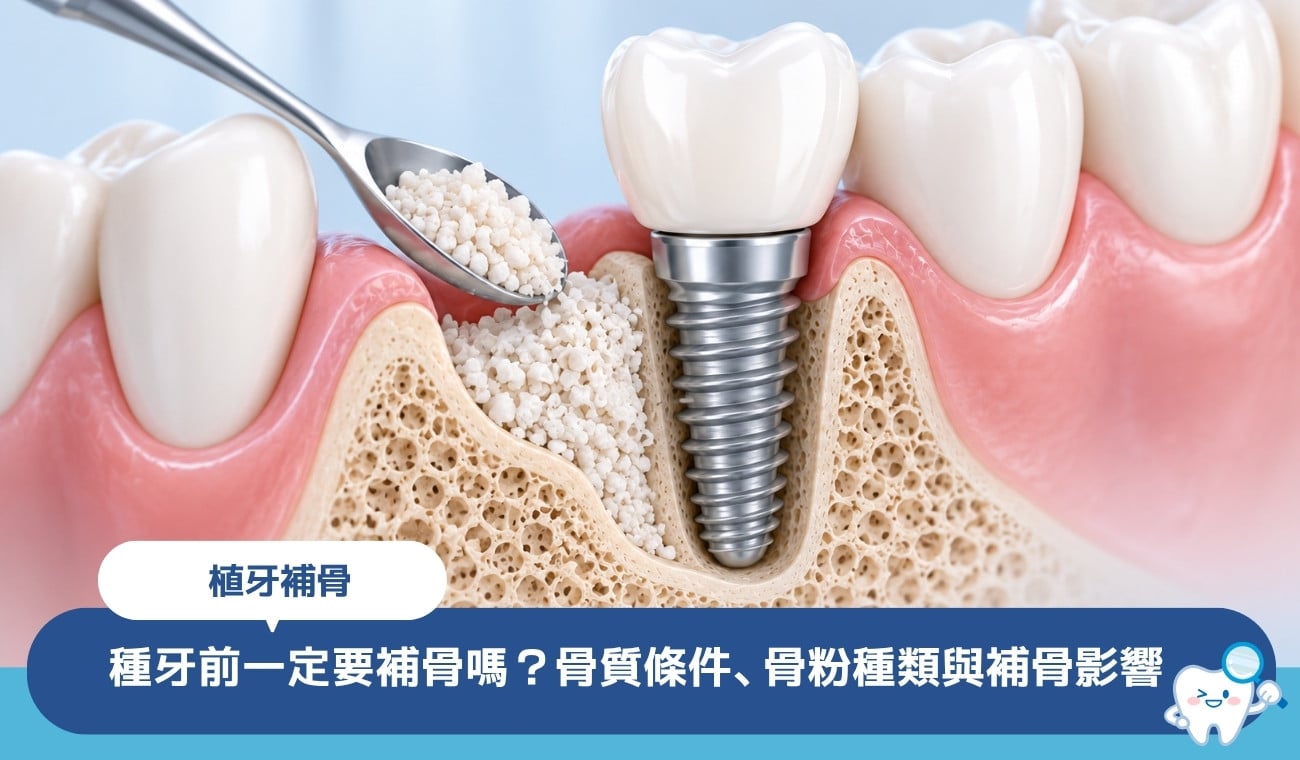
足夠的齒槽骨量是種牙的前提,骨量不足時可能需要先補骨,整體療程亦會相應延長。 重點摘要 種牙前為什麼要評估骨質條件? 植