Emergency dental treatment, please WhatsApp +852 6628 8780 Or contact our clinics





Scaling on healthy teeth is usually painless, with most pain coming from tartar, gum inflammation or tooth sensitivity. Communication, anaesthesia and warm water scaling can help to reduce the discomfort.
Does it hurt to clean your teeth??
The fact is that scaling causes little to no pain to healthy teeth, but if a patient has a dental problem of their own, they may experience soreness and tingling.
Why do dental cleanings hurt? Causes of Pain
The pain associated with scaling is not entirely from the treatment itself, but is related to the condition of the teeth and gums themselves. We have also compiled a list of the causes of pain in our patients during the scaling process:
Tartar build-up
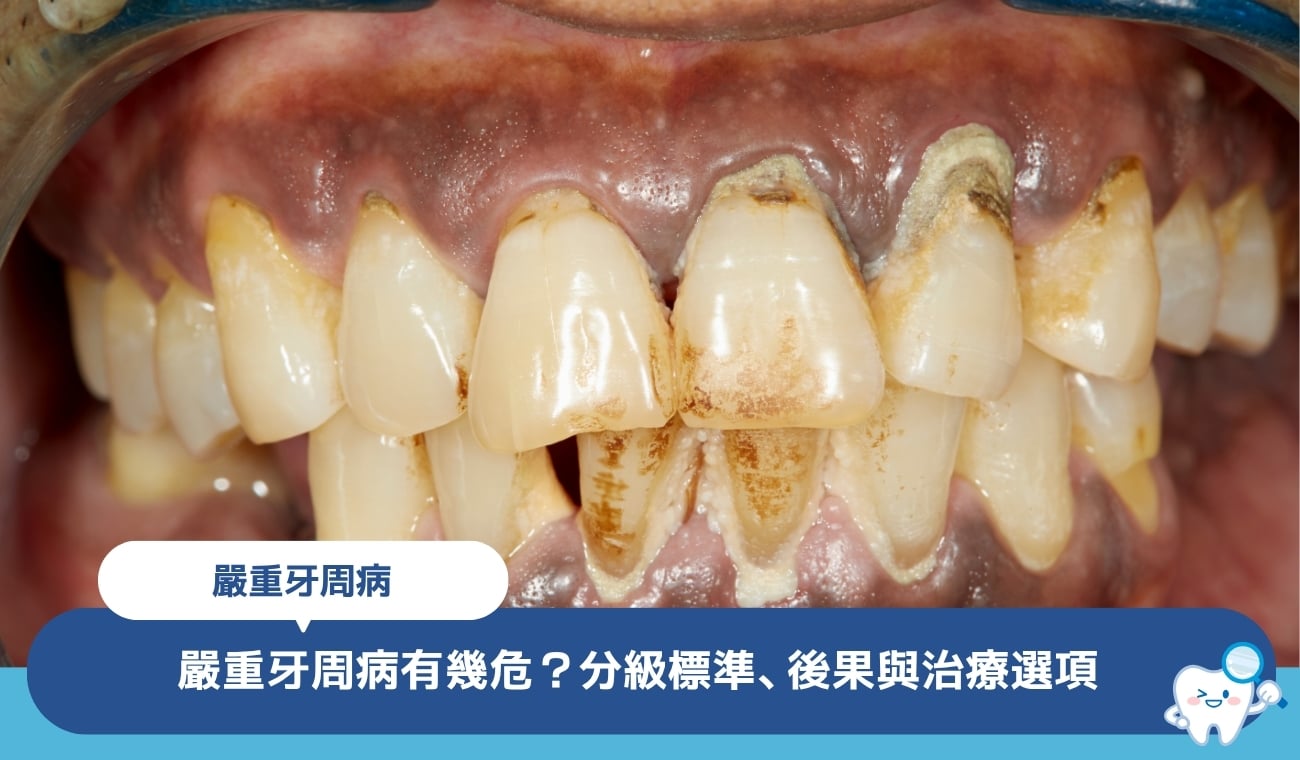
Bacteria and food debris in the mouth form a film known as plaque. If not thoroughly cleaned, this plaque will gradually calcify and turn into hard, rough tartar that can only be removed by scaling.
If calculus builds up at the junction of the teeth and gums, the dentist will use an ultrasonic scaler to vibrate the calculus, breaking it up and peeling it away from the surface of the teeth, and this irritation will tend to make the gums, which are already inflamed and swollen, feel uncomfortable and bleed.
Gingivitis
Apart from roughing up the surface of your teeth and making it easier for new plaque to attach, tartar's main danger is that it can irritate the gums, causing them to become inflamed and trigger soreness and pain.
Sensitive teeth or exposed roots
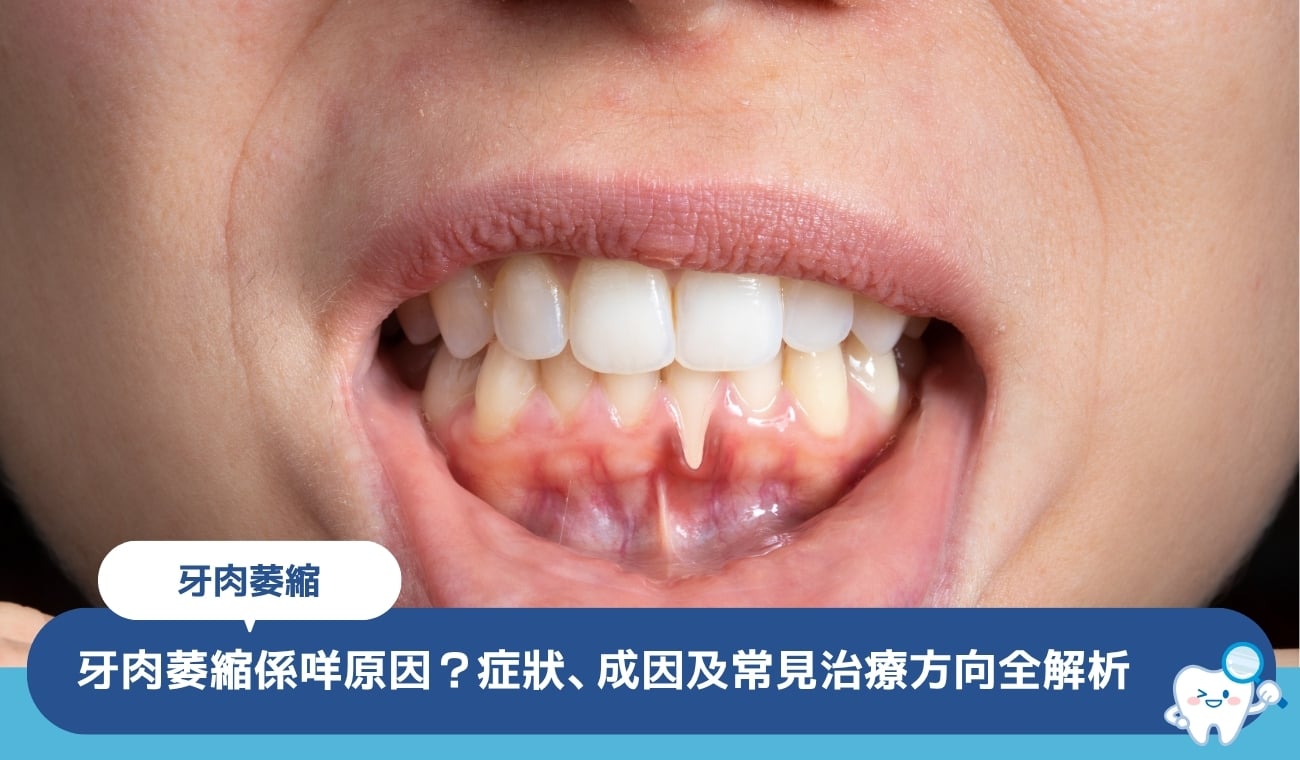
Some people are born with sensitive teeth, or have tooth decay, cracked teeth, or exposed tooth roots from improper brushing, which may cause you pain during a cleaning.
Periodontal disease causing gum recession
Periodontal disease develops when untreated gingivitis worsens over a long period of time, leading to destruction of the gums and bone, resulting in gingival recession, which exposes the roots of the teeth to a greater extent. Without the protection of enamel, the roots of the teeth are easily touched during scaling, causing tooth sensitivity.
Irritation is more pronounced when teeth have not been cleaned for a long time.
If the patient does not have regular cleaning habits, the calculus becomes thick and hard, and even leads to severe inflammation of the gums.
The doctor has to spend longer and at a higher frequency to vibrate and remove these stubborn calculus during cleaning, and the irritation and pain will be more noticeable and intense than in people who have their teeth cleaned on a regular basis.
What to do if your teeth hurt?5 Ways to Reduce Discomfort

Whether or not a scaling is painful is related to the condition of the teeth themselves, but with a few tips, the discomfort of the scaling process can be significantly reduced.
Communicate with your doctor before scaling
Before scaling, you can take the initiative to tell your dentist if you are sensitive to pain or have tooth sensitivity, and the doctor will adjust the force, water temperature, and method of scaling accordingly, or use other auxiliary methods to relieve the pain.
Use of anaesthesia before scaling
If you have a low tolerance for pain or have been assessed by your dentist and confirmed that you have a more severe case of tartar, significant gum inflammation, or even periodontal disease that has resulted in exposed roots, you can discuss the use of anaesthesia with your dentist.
- Spreadable anaesthetic cream: Anaesthetic is applied to the gums to paralyse the surface of the gums for a short period of time, reducing the irritation felt during scaling.
- Local anaesthetic injection: If the doctor determines that the situation is more complicated or if severe pain is expected, a local anaesthetic injection will be recommended to completely numb the entire area.
Use warm water when cleaning your teeth
While traditional scaling is usually done with cold water, most clinics are now introducing scaling machines with warm water. Warm water significantly reduces irritation to the dentin tubules and reduces the pain and sensitivity caused by cold water.
If you have particularly sensitive teeth, you can ask the clinic beforehand if they offer warm water scaling when booking a cleaning, as this will make the overall experience much more comfortable.
Choosing an Experienced Dentist
An experienced and skilled dentist will not only be able to accurately locate tartar during scaling, but will also be able to more accurately control the scaling angle and force, reducing damage to the gums and improving overall comfort.
Playing light music or wearing noise-cancelling headphones
Some people do not feel pain but rather fear of the sound of the ultrasonic scaler, which, combined with the tension of the treatment process, magnifies the discomfort.
You may want to bring your own noise-cancelling headphones or play soft music to divert your attention from the sound of the scaler and reduce anxiety.
Care after Scaling
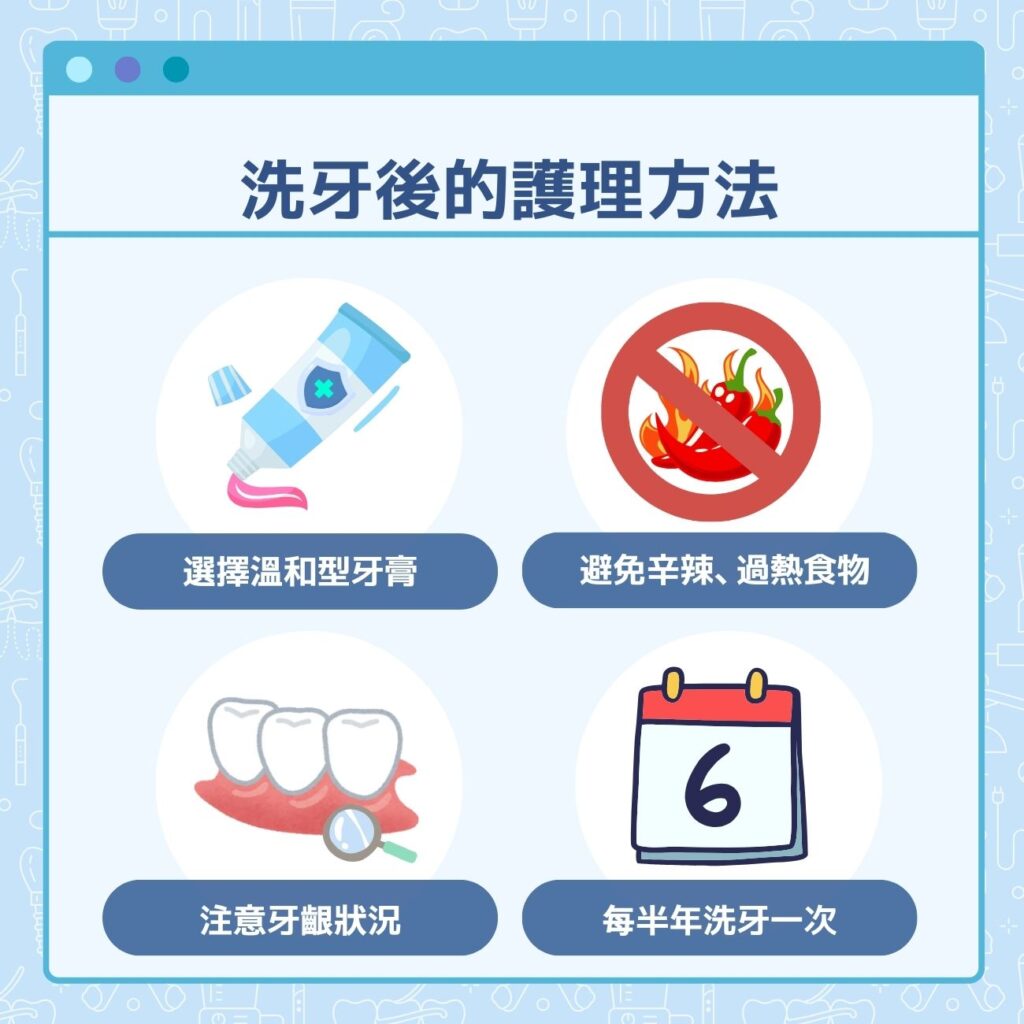
It is normal to experience temporary soreness or slight bleeding of the gums after a cleaning.
We can minimise the symptoms of discomfort by taking the following care:
Choose a mild toothpaste
As your teeth and gums may be temporarily sensitive after a cleaning, it is recommended that you use an anti-sensitivity toothpaste or a toothpaste labelled Gum Care for a week after your cleaning.
These toothpastes often contain ingredients that repair dentin tubules, which can help reduce tooth sensitivity and make you feel better when brushing or eating.
Avoid spicy, overheated or hard foods
After scaling, the gums may be slightly inflamed or red and swollen. It is recommended that you avoid irritating foods, excessively hot or cold foods, and hard foods that require a lot of chewing for the first 2-3 days to minimise additional stimulation of the gums and give them time to heal on their own.
After scaling, it is recommended to choose soft and mild food, such as congee, noodles and steamed eggs.
Keep an eye on your gums
Slight bleeding or swelling of the gums after a cleaning is normal and usually subsides within a few days. However, if the bleeding persists, the gums are swollen and painful for more than three days, or if an unexplained lump develops, it's important to return for a second visit so that your doctor can evaluate whether there are any other potential problems.
Dental cleaning every six months
Regular dental cleaning can effectively remove plaque and tartar, preventing them from accumulating around the gums and causing oral problems such as gingivitis and periodontal disease. It is recommended to have your teeth cleaned and examined every 6 months to maintain good oral health.
If you are in a higher risk group, such as pregnant women, periodontal patients, or diabetics, your dentist will usually recommend a cleaning every 3 months to more actively prevent inflammation and gum recession.
Frequently Asked Questions
Will a cleaning make my teeth whiter?
Scaling can remove plaque, calculus and pigmentation from the surface of the teeth and restore the teeth to their original natural colour, but it cannot change the colour of the teeth themselves, so if you want to whiten your teeth, you will need to consider a whitening treatment.
Does scaling make the gap between my teeth bigger?
No. The reason for this illusion is that calculus builds up over time and fills the spaces between your teeth! The reason for this illusion is that tartar has built up over time and filled the spaces between your teeth, making it seem as if there are no spaces between them. Once the tartar is removed by scaling, your teeth will be restored to their original appearance.
Will scaling scratch my teeth?
No, you won't! On the contrary, regular cleanings are the best protection for your teeth and gums.
A professional dentist will use a precision ultrasonic scaler during scaling to break up calculus through high-frequency vibration, rather than using physical scraping to directly abrade the teeth, which will not harm the hard enamel of the teeth, and can prevent tooth decay and periodontal disease.
Conclusion
Whether or not scaling is painful is closely related to the condition of each person's teeth and gums. As long as you communicate with your doctor beforehand, use anaesthesia, choose warm water for scaling, and find a skilled dentist, you can effectively reduce sensitivity and discomfort.
Disclaimer:
The content of this article is for general health information only and does not constitute professional medical advice. Different conditions need to be assessed and treated by a dentist according to individual needs. For dental or oral related problems, please consult a qualified dentist for professional diagnosis and advice.