Emergency dental treatment, please WhatsApp +852 6628 8780 Or contact our clinics




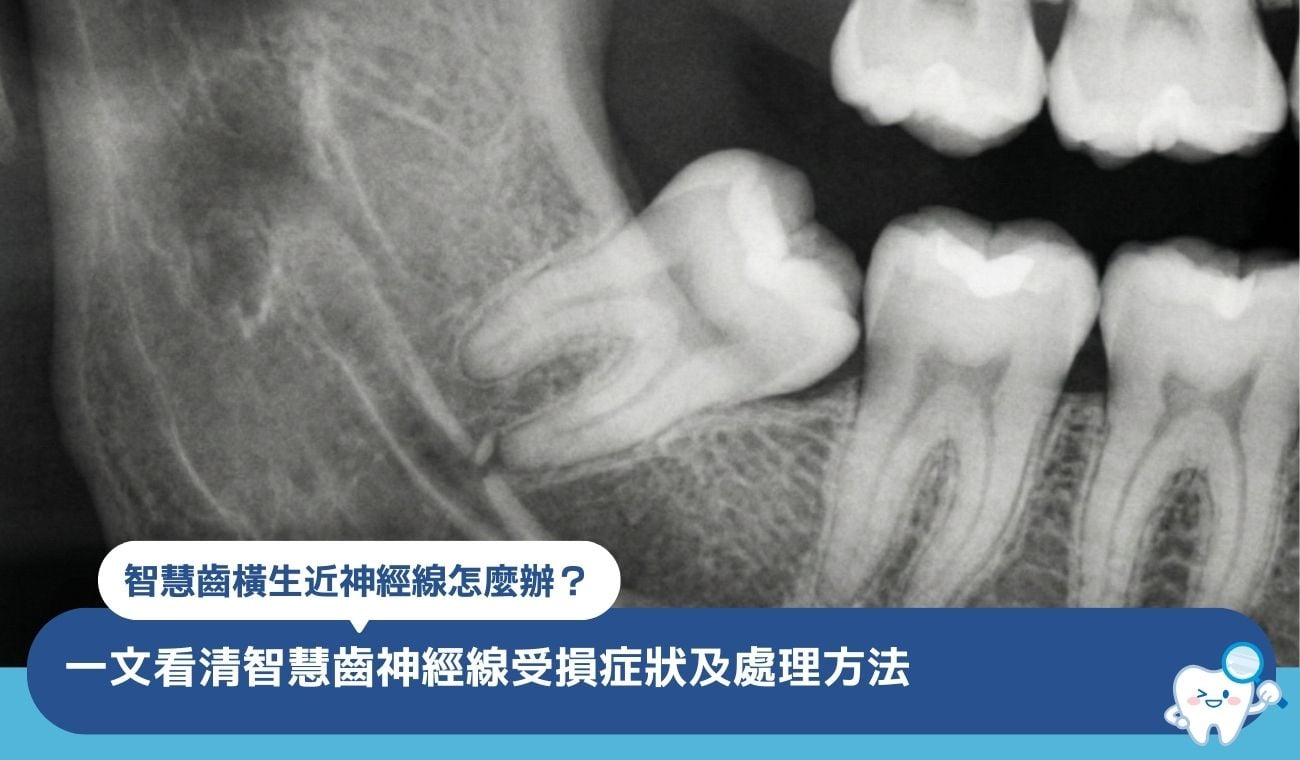
When wisdom teeth compress the nerve, it may cause numbness or taste abnormalities, but most are temporary. Through imaging assessment, tooth crown removal, and surgery performed by specialists, the risk of injury can be effectively reduced.
Key Summary
- The main nerves involved areInferior alveolar nerve與the lingual nerve.
- Symptoms of damage include numbness of the lower lip/chin, numbness of the tongue, or decreased taste.
- If there are recurrent inflammations, cavities, or risks of lesions, active treatment is recommended.
- Paralysis is mostly temporary, with a recovery period usually around 1-6 months.
- Complex cases should be evaluated and operated on by an oral and maxillofacial surgeon.
What nerves are close to the wisdom teeth?
Inferior alveolar nerve.
It is mainly responsible for the sensation of the lower teeth, lower lip, and skin of the chin. Since it is located within the nerve canal of the mandible, if the wisdom teeth are deeply impacted or the roots are curved, they can easily entangle with this nerve.
Lingual nerve.
This nerve is usually located in the soft tissue on the inner side of the mandible, responsible for the taste and touch of the anterior two-thirds of the tongue and the sensation of the floor of the mouth mucosa.
What symptoms occur when the wisdom teeth nerve is damaged?
Many people mistakenly believe that damaging the nerve will cause a "crooked face," which is actually a misunderstanding.
The two nerves mentioned above are "sensory nerves," not "motor nerves" that control muscles.Motor nerves.If a horizontally impacted wisdom tooth unfortunately damages the nerve, the main symptom issensory abnormalities,which will not affect the appearance or facial expressions.
Loss of sensation in the lower lip and chin skin
若Lower alveolar nerveThe common sensation experienced is numbness or dullness in the lower lip or chin, feeling as if the local anesthetic effect has not completely worn off.
These changes are often particularly noticeable when touching oneself, and there is usually no obvious difference in appearance, making it difficult for others to perceive.
Tongue numbness or abnormal taste
When the lingual nerve is injured, some people may feel numbness on one side of the tongue or a decreased sensitivity to hot and cold stimuli and tastes (such as sweetness and sourness).
In rare cases, one may feel that the tongue's mobility is not as flexible as before when speaking, but this is mostly related to sensory changes rather than a true muscle function issue.
What to do if the wisdom tooth is horizontally impacted near the nerve line?
Situations requiring surgical extraction
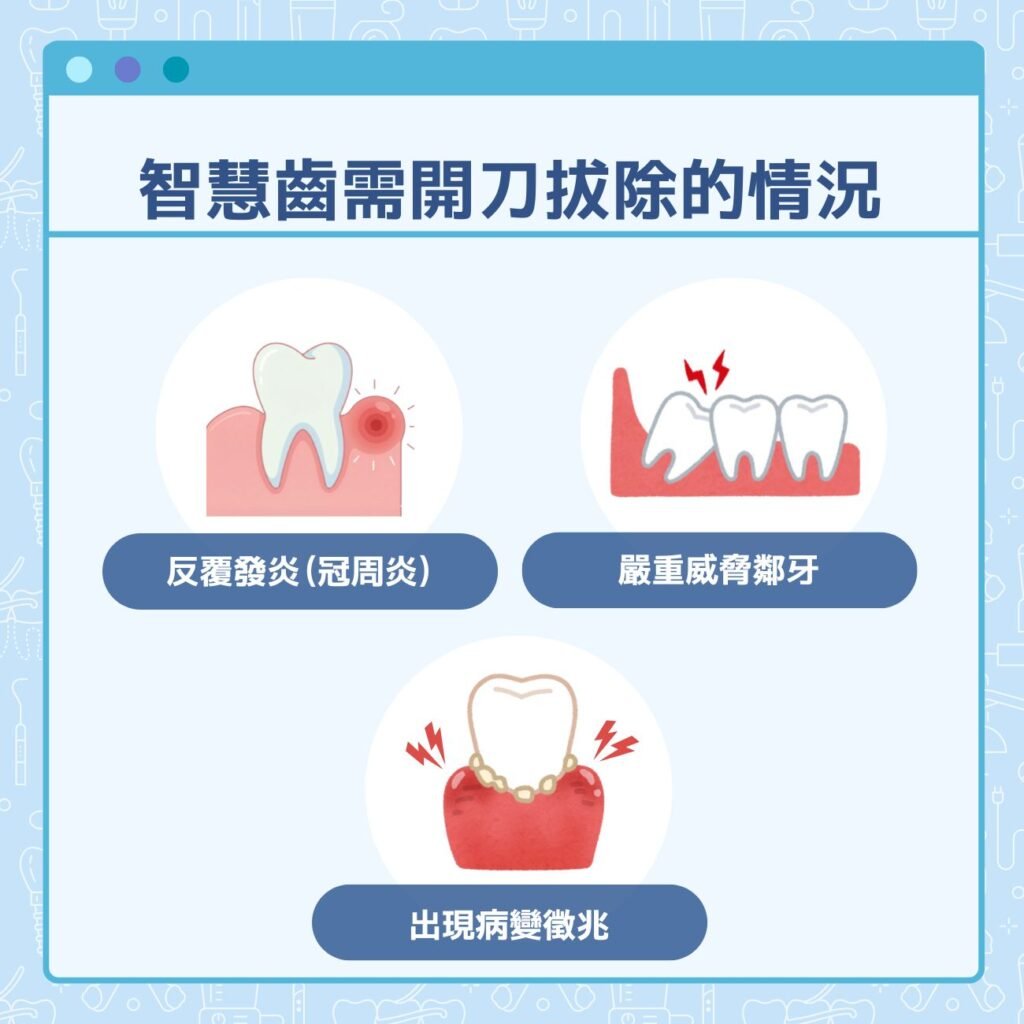
If this high-risk wisdom tooth has already (or is about to) cause irreversible damage, even if there is a risk of touching the nerve during surgery, doctors usually still recommend treatment, as the consequences of not treating it are often more severe than temporary numbness:
- Recurrent inflammation (pericoronitis): The gum tissue repeatedly swells and becomes pus-filled, even affecting the ability to open the mouth or swallow; in severe cases, bacteria may spread extensively to the neck.
- Severe threat to neighboring teeth (second molar): The horizontally impacted wisdom tooth continuously pushes against the front teeth, leading to root resorption or severe decay of the neighboring teeth.
- Signs of pathological changes: X-rays show that the dental cyst (dentigerous cyst) is continuously enlarging and has begun to destroy the jawbone structure.
Situations where immediate extraction is not recommended or requires conservative management
If it is assessed that the nerve line passes through the tooth root, the risk of forced extraction is too high, and dentists usually adopt a more conservative strategy.
For completely impacted and asymptomatic wisdom teeth, regular X-ray follow-ups are sufficient, and there is no need to rush into risky surgery; however, if treatment is necessary due to inflammation, a "crown removal procedure" may be performed, which involves only removing the crown while preserving the root to avoid pulling on the fragile nerve line during surgery.
Three suggestions to reduce the surgical risks of horizontally impacted wisdom teeth.
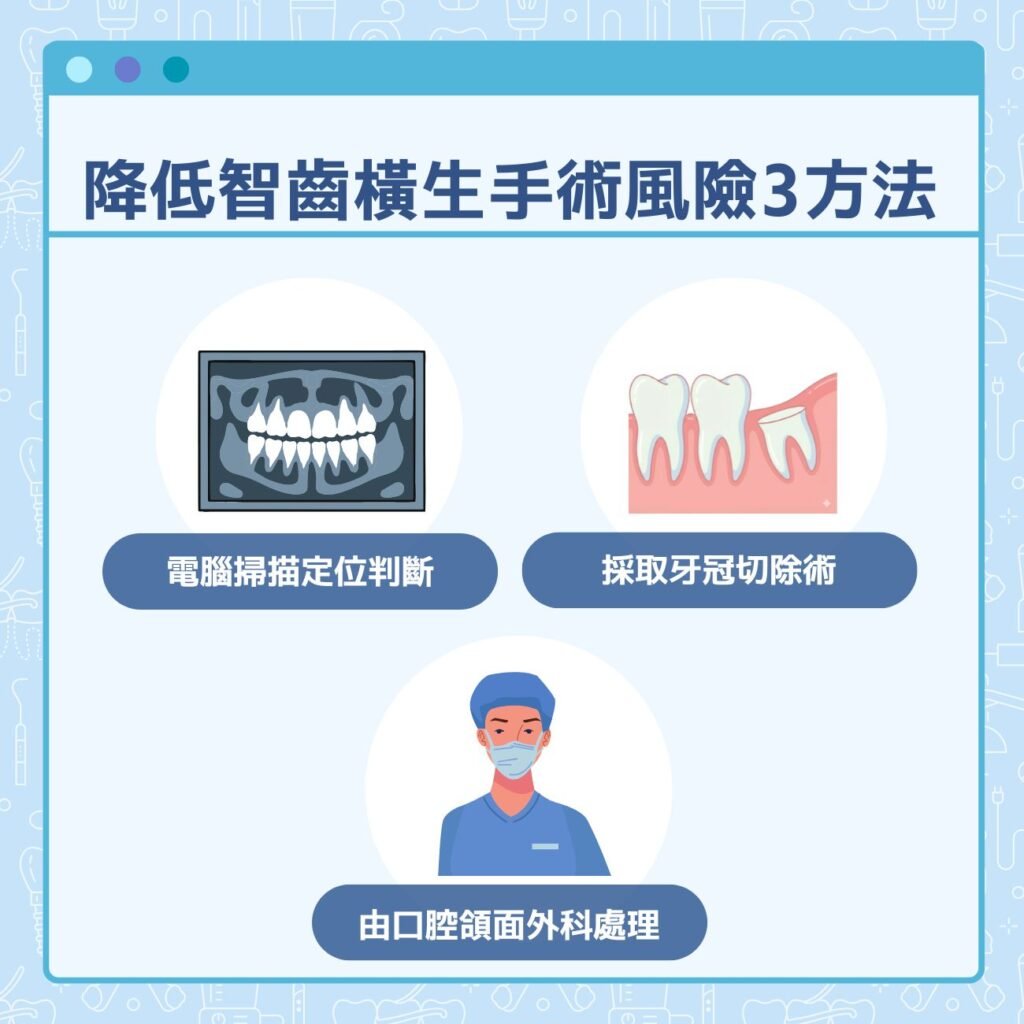
X-ray, 3D computer scan positioning judgment
Traditional X-ray films (OPG) can only see flat images and cannot present depth from front to back.
For high-risk cases, it is usually recommended to perform a 3D computer scan (CBCT). This allows the doctor to see whether the nerve line is in front of, behind, or passing through the root, further planning a safe surgical entry angle.
Crown amputation (retaining the root)
If the dentist assesses that the risk of removing the root is higher, a crown amputation (Coronectomy) may be performed.
This surgery will only remove the crown that is causing inflammation or has already decayed, while retaining the root close to the nerve line within the alveolar bone. As the wound heals, the bone will gradually cover the remaining root. This approach can both cure the inflammation problem and reduce the risk of nerve damage.
Evaluated and handled by a professional oral and maxillofacial surgeon
Oral and maxillofacial surgerySpecialists are trained specifically and have rich experience in handling complex wisdom tooth surgeries entangled with nerve lines, and can respond more skillfully to unexpected situations during surgery, further enhancing surgical safety.
Frequently Asked Questions
If there is numbness after the tooth extraction, can it still be remedied?
If numbness is felt post-surgery, it is mostly due to the nerve being compressed, causing temporary swelling. Doctors usually provide high doses ofVitamin B complexto help with nerve repair.
Is the probability of nerve damage high? Will it lead to permanent facial paralysis?
Permanent nerve damage or facial paralysis is rare; most cases are only mild temporary numbness. Additionally, since a professional assessment is conducted before surgery, the probability of nerve damage is actually quite low.
How long does the recovery period for nerve damage usually take?
The repair speed of nerve tissue is relatively slow. If it is temporary nerve compression, the sensation usually gradually recovers within 1-3 months post-surgery, while slower cases may take about 6 months. During this period, regular follow-ups and maintaining patience are very important.
Conclusion
Although wisdom teeth close to the nerve line sound concerning, modern dentistry can effectively control the risks with the help of 3D computer scanning technology. If you are troubled about whether to extract your wisdom teeth, it is advisable to seek a dental examination early to eliminate doubts and regain a healthy oral environment.
Disclaimer
This article is for informational purposes only and does not contain any invitation or solicitation. Patients should seek professional diagnosis and treatment for their conditions. For further information or to make an appointment, it is advisable to contact the relevant clinic directly. Please take care in choosing the right dental service and clinic.